

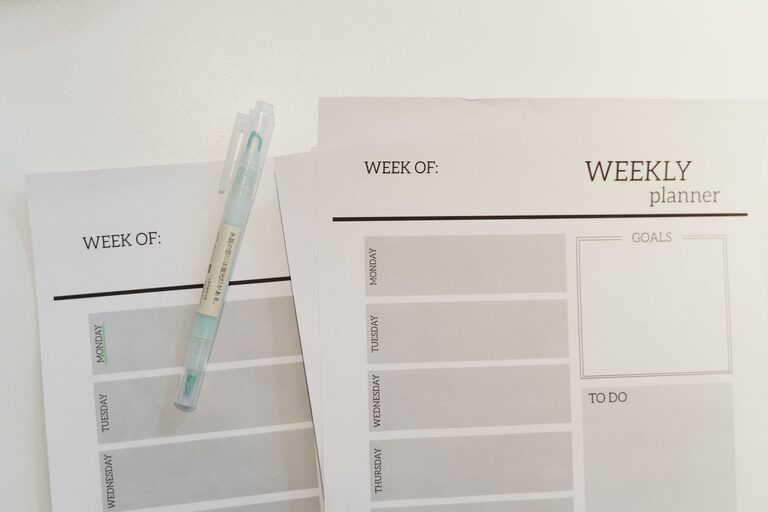
Setting realistic weekly goals can be a powerful way to boost your productivity and keep you motivated throughout the week. When done right, weekly goals provide clear direction, help you manage your time better, and give you a sense of accomplishment. However, setting goals that are too ambitious or vague can lead to frustration and burnout. In this post, we’ll explore effective strategies to set realistic weekly goals that work for you.
Why Set Weekly Goals?
Weekly goals break down your bigger objectives into manageable chunks. Instead of feeling overwhelmed by long-term projects, you focus on what you can realistically achieve in seven days. This approach helps:
– Maintain focus by defining clear priorities
– Track progress regularly and adjust plans as needed
– Build momentum with a sense of achievement each week
– Reduce procrastination by creating short-term deadlines
Now, let’s discuss how you can set weekly goals that are realistic and meaningful.
Step 1: Review Your Bigger Picture
Before setting weekly goals, take some time to review your monthly or yearly objectives. Weekly goals should align with what you ultimately want to achieve. This alignment ensures that your weekly efforts contribute to your larger vision.
Ask yourself:
– What are my most important long-term goals?
– Which tasks this week will move me closer to those goals?
– Are there any deadlines or events I need to prepare for?
This review helps you prioritize tasks and avoid wasting time on less important activities.
Step 2: Make Your Goals Specific and Measurable
One common pitfall is setting vague goals such as “work on my project” or “exercise more.” Goals should be specific and measurable so you can track your progress clearly.
For example:
– Instead of “read more,” say “read two chapters of my book.”
– Instead of “exercise more,” say “go for a 30-minute walk three times.”
– Instead of “organize my workspace,” say “sort and file all documents on my desk.”
Specific goals give you clarity and make it easier to know when you’ve succeeded.
Step 3: Be Realistic About What You Can Achieve
To avoid burnout and frustration, be honest about your available time and energy.
Consider:
– How many hours can you realistically dedicate to your goals each day?
– What other commitments do you have this week?
– Could unexpected events impact your plans?
Setting goals that fit your schedule increases the likelihood you’ll complete them.
Tips for Realistic Goal-Setting
– Start small: Choose a few key goals rather than a long to-do list.
– Prioritize quality over quantity to avoid rushing.
– Plan buffer time for unexpected tasks or breaks.
Step 4: Break Down Large Tasks into Smaller Steps
If a goal feels overwhelming, break it down into smaller, manageable parts. For example, instead of “write my report,” set goals like:
– Research topic on Monday
– Draft outline on Tuesday
– Write introduction and conclusion on Wednesday
– Complete first draft on Thursday
– Revise on Friday
Smaller tasks feel less intimidating and give you clear daily targets.
Step 5: Write Down Your Goals and Plan Your Week
Putting your goals in writing increases commitment and gives you a visual reminder.
Use tools like:
– A planner or calendar app
– To-do lists
– Sticky notes or goal boards
Schedule time blocks dedicated to each goal. Treat these blocks like appointments to increase accountability.
Step 6: Review and Reflect at the End of the Week
At the end of the week, take a few minutes to review what you accomplished.
Ask yourself:
– Which goals did I complete, and which did I miss?
– What helped me succeed or caused setbacks?
– How can I improve my goal-setting next week?
Reflection helps you learn from your experience and adjust your approach for continued growth.
Additional Tips for Staying on Track
– Limit distractions by creating a focused workspace
– Use reminders or alarms for scheduled tasks
– Celebrate small wins to stay motivated
– Share your goals with someone for added accountability
Final Thoughts
Setting realistic weekly goals is a skill that improves with practice. By aligning goals with your bigger plans, keeping them specific, and being honest about your limits, you set yourself up for sustained success. Remember to break tasks down, write goals down, and review them regularly. With these strategies, you’ll build momentum and experience the satisfaction of steady progress every week.